
There’s no single winner in WhatsApp AI automation—there’s a winner for your situation. WATI, AiSensy, Interakt, Respond.io and DoubleTick are all capable SaaS platforms, but they make different trade-offs. And sitting alongside them is a fourth option many teams overlook: owning a self-hosted platform outright. Here’s how the choices stack up.
WATI: the CRM-heavy choice
WATI is strong when you need a robust shared inbox, agent collaboration, and tight CRM sync with tools like Zoho or HubSpot. Pricing starts around ₹2,499 per month, and the base plan caps agents at five, so support-led teams that live in their CRM tend to favour it. The trade-off is cost growth as you add seats—something to weigh against a WhatsApp automation platform you can scale freely without per-agent penalties.
AiSensy: the broadcast and ads choice
AiSensy shines for high-volume broadcasting and click-to-WhatsApp ad campaigns, with entry pricing near ₹999–₹1,500 that undercuts most rivals. If you push 30,000-plus marketing messages a month or run Meta ads heavily, it’s a natural fit. Watch the add-on fees, though—extra chatbots and seats accumulate, which is why some growth teams eventually compare it to a self-hosted WhatsApp marketing tool with no metered chatbot charges.
Interakt, Respond.io and DoubleTick
Interakt suits Shopify D2C brands focused on abandoned-cart recovery and order operations, starting near ₹1,499. Respond.io is the omnichannel pick when WhatsApp is just one of many channels, though it’s priced for a higher tier in USD. DoubleTick targets sales teams with a catalog-first inbox at around ₹2,500 and a ten-agent cap. Each is solid in its niche, but all share the SaaS reality: you rent, and costs rise with usage. That recurring math is what pushes many buyers to evaluate a WhatsApp automation product you own.
Self-hosted: the ownership choice
A self-hosted approach flips the model. You buy a deployable WhatsApp automation script once, install it on your own server, brand it as your own, and avoid per-seat and per-chatbot fees forever. You still pay Meta for messages, but the platform cost stops being a monthly leak. The trade-off is that you take on hosting and maintenance—fine for teams with technical resources, agencies reselling to clients, or anyone whose volume makes SaaS uneconomical.
Feature parity is closer than you think
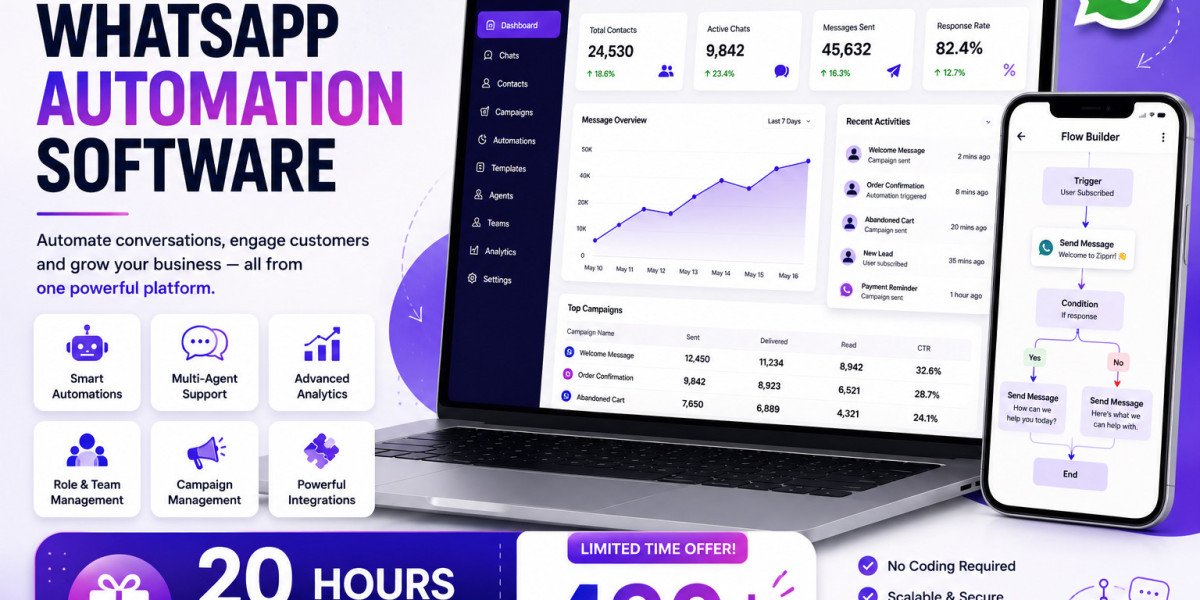
A common worry is that owning your software means giving up features. In practice the gap has narrowed sharply. The core capabilities that matter—natural-language AI, flow builders, live API integrations, shared inboxes, broadcast tools and analytics—are now standard across both SaaS and self-hosted options. The meaningful differences are no longer about what the software can do, but about who controls the data, who owns the branding, and how the cost behaves as you grow. For many buyers, those three factors decide the matter more than any single feature checkbox.
There’s also a hidden cost to SaaS that rarely appears on a pricing page: lock-in. When your flows, templates and history live on a vendor’s platform, switching later is painful, which quietly weakens your negotiating position at renewal. Ownership removes that leverage imbalance entirely—your automation is yours to move, modify or extend on your own timeline.
How to decide
Pick WATI for CRM-centric support, AiSensy for broadcast and ads, Interakt for Shopify, Respond.io for omnichannel, and DoubleTick for catalog sales. But if data ownership, white-label branding, and long-run cost control matter more than zero-setup convenience, a self-hosted route wins. Compare the total cost honestly across a full year, then explore Zipprr’s ownable WhatsApp automation platform to see whether ownership beats subscription for your numbers.