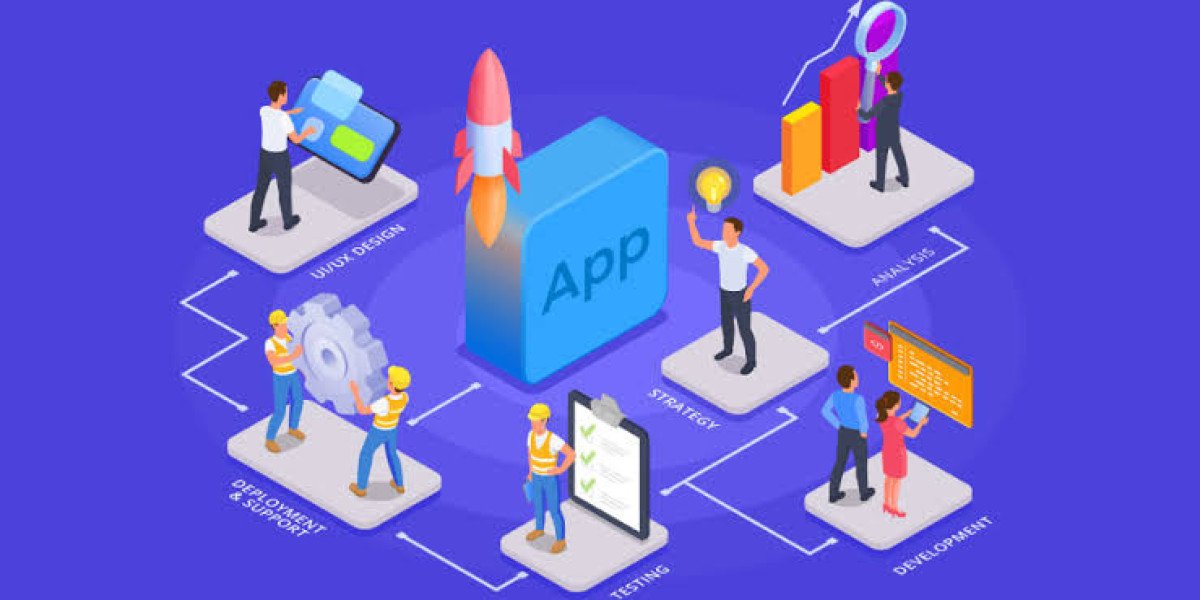

Enterprise delivery apps have become an essential investment for organizations that manage large-scale deliveries, field operations, logistics, retail distribution, manufacturing, healthcare, and B2B supply chains. A well-designed application helps businesses automate dispatching, monitor deliveries in real time, improve communication, and increase operational efficiency.
One of the most common questions business owners ask is, "How much does enterprise delivery app development cost in 2026?" The answer depends on several factors, including app complexity, features, technology stack, integrations, security requirements, development location, and ongoing maintenance.
This guide explains the major cost factors, estimated pricing, and practical tips to help businesses plan their enterprise delivery app development budget.
What Is Enterprise Delivery App Development?
Enterprise delivery app development refers to building custom software that helps organizations manage and monitor delivery operations across multiple locations. Unlike standard delivery apps, enterprise solutions support high-volume operations, multiple user roles, advanced reporting, ERP integrations, and enterprise-grade security.
These applications are commonly used by:
Logistics companies
Manufacturing businesses
Wholesale distributors
Retail chains
Healthcare organizations
Courier companies
FMCG enterprises
B2B delivery service providers
Average Enterprise Delivery App Development Cost in 2026
The enterprise delivery app development cost varies depending on the project's scope, feature set, integrations, and scalability requirements.
Basic Enterprise Delivery App: Typically costs between $25,000 and $50,000. This includes essential features such as user registration, order management, delivery tracking, and an admin dashboard.
Medium-Complexity Enterprise Delivery App: Usually ranges from $50,000 to $120,000. These apps include advanced capabilities like route optimization, real-time notifications, reporting dashboards, third-party integrations, and enhanced security.
Advanced Enterprise Delivery Platform: Costs generally start at $120,000 and can exceed $300,000. These enterprise-grade solutions support large-scale operations with AI-powered analytics, ERP and CRM integrations, multi-location management, fleet management, predictive reporting, and enterprise-level security.
Large organizations often require custom workflows, cloud infrastructure, high availability, and extensive integrations, all of which contribute to higher development costs.
Factors Affecting Enterprise Delivery App Development Cost
1. Application Complexity
The biggest pricing factor is the complexity of the application.
A simple delivery management app with basic order tracking costs significantly less than an enterprise platform supporting thousands of daily deliveries, automated dispatching, predictive analytics, and multiple business locations.
Higher complexity means:
More development hours
More testing
More integrations
More infrastructure
2. Platform Selection
Businesses may choose:
Android application
iOS application
Web dashboard
Cross-platform mobile app
All platforms together
Developing for multiple platforms increases the total project budget but provides broader accessibility for employees and customers.
3. UI/UX Design
Enterprise users expect applications that are easy to navigate and reduce training time.
Professional UI/UX design includes:
Interactive dashboards
Driver interfaces
Dispatcher panels
Admin portals
Customer tracking screens
Responsive layouts
Custom designs generally cost more than template-based interfaces.
4. Core Features
Every feature added to the application affects the final budget.
Common enterprise delivery app features include:
User authentication
Order management
Driver management
Fleet management
GPS tracking
Route optimization
Push notifications
Barcode scanning
Digital proof of delivery
Electronic signatures
Payment integration
Customer notifications
Delivery scheduling
Reporting dashboards
The more advanced the feature set, the higher the development cost.
5. Third-Party Integrations
Most enterprise applications connect with existing business software.
Popular integrations include:
ERP systems
CRM platforms
Warehouse Management Systems (WMS)
Inventory software
Accounting software
Payment gateways
Google Maps API
SMS services
Email services
Each integration requires additional development and testing.
6. Cloud Infrastructure
Modern enterprise delivery solutions commonly use cloud services for:
Data storage
Application hosting
Backup
Scalability
Disaster recovery
Cloud infrastructure involves monthly operational expenses in addition to initial development costs.
7. Security Requirements
Enterprise applications manage valuable operational and customer data.
Security investments may include:
Multi-factor authentication
Data encryption
Secure APIs
Role-based permissions
Audit logs
Compliance support
Secure cloud architecture
Advanced security features increase the project budget but are essential for protecting sensitive business information.
Development Team Location
The location of your development partner significantly affects the enterprise delivery app development cost because hourly development rates vary across regions.
North America: Development rates generally range from $100 to $200 per hour.
Western Europe: Businesses can expect hourly rates between $80 and $180.
Eastern Europe: Average rates range from $40 to $90 per hour.
India: Experienced enterprise development companies typically charge between $25 and $60 per hour.
Many businesses choose offshore development teams in India because they offer experienced developers, modern technology expertise, and competitive pricing without compromising quality.
Essential Features That Influence Development Cost
Real-Time GPS Tracking
Provides live vehicle location updates for dispatchers and customers.
Route Optimization
Calculates efficient delivery routes to reduce travel time and fuel costs.
Driver Management
Allows managers to assign deliveries, monitor driver performance, and track availability.
Fleet Management
Tracks vehicle utilization, maintenance schedules, and operational efficiency.
Delivery Analytics
Generates reports on delivery times, operational costs, driver productivity, and customer satisfaction.
Proof of Delivery
Captures electronic signatures, photos, or QR code confirmations after successful deliveries.
Customer Notifications
Automatically sends SMS, email, or push notifications for order updates.
Technology Stack
Technology choices also affect the enterprise delivery app development cost.
Typical technologies include:
Frontend
Flutter
React Native
Kotlin
Swift
Backend
Node.js
Java
.NET
Python
Database
PostgreSQL
MySQL
MongoDB
Cloud Platforms
AWS
Microsoft Azure
Google Cloud
Maps
Google Maps
Mapbox
Ongoing Maintenance Costs
Development does not end after launch.
Businesses should budget approximately 15%–25% of the initial development cost annually for:
Bug fixes
Security updates
Operating system compatibility
Performance optimization
Cloud hosting
Feature enhancements
Technical support
Regular maintenance helps keep the application secure, stable, and aligned with changing business requirements.
How to Reduce Enterprise Delivery App Development Cost
Organizations can control costs without compromising quality by following these practices:
Start with a Minimum Viable Product (MVP)
Prioritize essential features for the first release
Choose cross-platform development when appropriate
Reuse existing APIs and cloud services
Select scalable architecture from the beginning
Work with an experienced development partner
Plan integrations during the project discovery phase
Conduct regular testing throughout development
A phased development approach allows businesses to launch faster while adding advanced capabilities over time.
Is Custom Enterprise Delivery App Development Worth the Investment?
For organizations managing large delivery operations, custom enterprise applications often deliver long-term value through:
Faster order fulfillment
Better delivery visibility
Improved fleet utilization
Lower operational costs
Reduced manual processes
Better customer experience
Centralized business management
Scalable infrastructure for future growth
Although the initial investment may seem significant, the operational savings and productivity improvements can provide a strong return over time.
Frequently Asked Questions
What is the average enterprise delivery app development cost?
A basic enterprise delivery app generally costs between $25,000 and $50,000, while advanced enterprise platforms can range from $120,000 to $300,000 or more, depending on complexity and integrations.
How long does enterprise delivery app development take?
Most projects require 4 to 12 months, depending on the number of features, integrations, testing requirements, and deployment scope.
What features have the biggest impact on development cost?
Advanced features such as real-time GPS tracking, route optimization, ERP integration, AI-based analytics, fleet management, and enterprise security significantly increase development costs.
Can cross-platform development reduce costs?
Yes. Using frameworks like Flutter or React Native can reduce development time and costs by allowing a single codebase for Android and iOS applications.
Why do enterprises choose custom delivery apps instead of ready-made software?
Custom applications offer greater flexibility, seamless integration with existing systems, stronger security, better scalability, and features tailored to specific business workflows.
What is the annual maintenance cost?
Most businesses spend around 15% to 25% of the initial development cost each year on maintenance, cloud services, security updates, and feature improvements.
Conclusion
Understanding the enterprise delivery app development cost helps businesses create realistic budgets and make informed technology decisions. The total investment depends on application complexity, required features, integrations, security, cloud infrastructure, and the experience of the development team. Organizations that invest in a scalable, secure, and well-planned enterprise delivery solution can improve operational efficiency, reduce delivery errors, enhance customer satisfaction, and support long-term business growth. Defining project requirements early and focusing on essential features for the initial release can help control costs while building a platform that is ready to expand as business needs evolve.
For More Information Follow “kansabook”